
Movement as a Brain Break
If you grew up attending school here in Wake County like I did, brain breaks probably weren't a thing. Back then, technology meant the teacher rolling in a heavy AV cart with a tube TV for a special treat. We sat in our desks, did our work, and waited for recess.
Today, things look a lot different. Between iPads, Chromebooks, and a deeper understanding of child development, we now know that the brain isn't a machine; it needs to downshift periodically to stay productive.

What Exactly is a Brain Break?
According to Henry Ford Health, a brain break is a scheduled time away from a task that requires intense concentration. To be effective, it needs to be completely unrelated to what the child was just doing. It’s a reset button that helps them feel renewed and ready to dive back into their schoolwork or chores.
The Science of Timing
How long can a child truly focus? It’s shorter than you might think!
Elementary-Aged Kids: Experts at Understood.org suggest a 1–5 minute break for every 10–25 minutes of focus.
Middle & High Schoolers:Edutopia recommends a 3–5 minute break every 20–30 minutes to avoid overwhelm and provide space for reflection and connection.
Brain Break Ideas for Every Age
Looking to incorporate these at home or in your classroom? Here are some favorites:
For Preschool & Elementary:
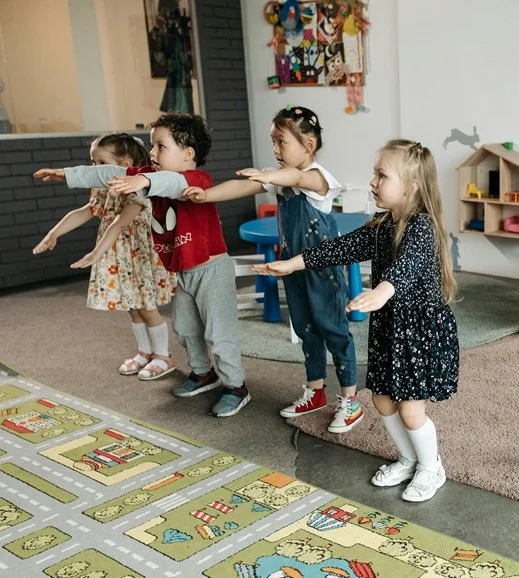
Digital Dancing: Follow along with Danny Go, Jack Hartmann, or Coach Corey Martin on YouTube.
Classic Games: Red Light, Green Light, Simon Says, or Musical Chairs.
Get Creative: Play "The Floor is Lava" or "Keep the Balloon off the Floor."
Animal Walks: Have them hop like a frog or crawl like a bear across the room.
For Middle & High School:
Quick Bursts: 20 jumping jacks or 10 chair push-ups.
Mindfulness: Deep breathing stretches or a quick chair yoga flow.
Challenge: A "Minute to Win It" style game to spark some quick joy.

Why It Works: The Focus-Movement Connection
It sounds counterintuitive: how does running around help my child sit still later? Physical activity increases blood flow to the brain and triggers the release of chemicals like dopamine and norepinephrine, which are essential for attention and impulse control.
At STEAM Station, kids will be blasting their energy on our interactive floor and navigating the laser maze soon. They won't just be playing; they will be clearing out the mental fog that builds up during a long day of seated learning.
By prioritizing these moments of movement, we aren’t just giving them a break from the work; we are giving them the tools to do the work better.
See what we’re building at STEAM Station and get ready for a fun way to burn off afterschool energy!
