

Welcome to the STEAM Station Blog!
The STEAM Station blog is your go-to spot for play-based learning ideas, behind-the-scenes updates, and inspiration for raising curious, confident kids. We’re sharing what we’re building, why it matters, and how learning comes alive through hands-on play.

Older Kids Need to Play, Too!
Growing older shouldn't mean outgrowing play.
Traditional play cafes cater to toddlers, while tweens and teens get pushed toward solitary screens. See how STEAM Station bridges that gap with exergaming, hands-on STEAM challenges, and active community hangouts for ages 5-14+.
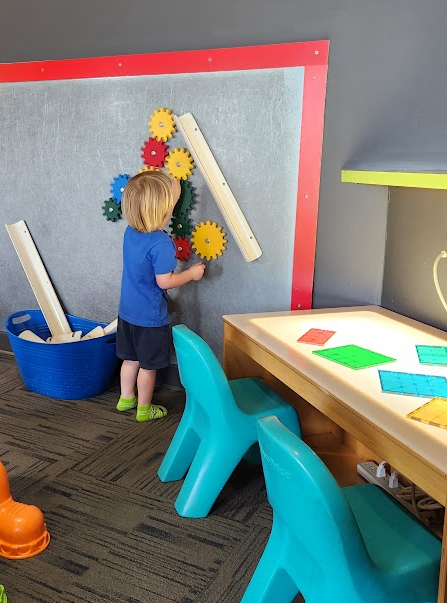
Big Fun for Little Explorers: Introducing Toddler Thursdays at STEAM Station!
Big fun for little explorers! Starting February 2027, STEAM Station is closing to the general public every Thursday morning from 9:30-11:00 AM just for toddlers (ages 2-5) and their caregivers. Enjoy reduced admission, sensory crafts, a musical ball wall, and active games tailored for your youngest learners, without the big-kid rush.
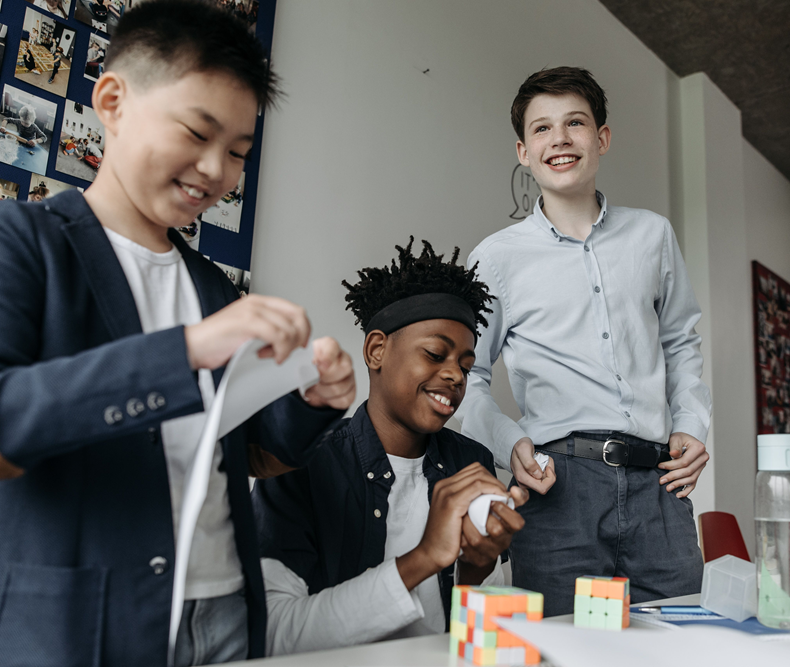
Built for the In-Between Years
Ever notice how kids ages 6-14 get squeezed out of play spaces? They’re too big for toddler soft play, but not ready for chaotic, unsupervised teen hangouts.
We’re building STEAM Station in Knightdale to give elementary and middle schoolers real room for active, high-energy, social play, with dedicated zones for little ones, free admission for an accompanying adult with every youth ticket, and zero drop-off chaos.
Just minutes off I-540, big-kid play finally has a home in the Triangle. Read our latest blog post to see how our family road trips inspired the vision!

The Couch As a Balance Beam: How the Vestibular System Primes Reading Fluency
When we picture a child learning to read, we picture stillness. But before a child's eyes can smoothly track lines of text across a page, their inner ear and core need calibration. Here is how whole-body sensory play directly wires the brain and ocular muscles for reading fluency.
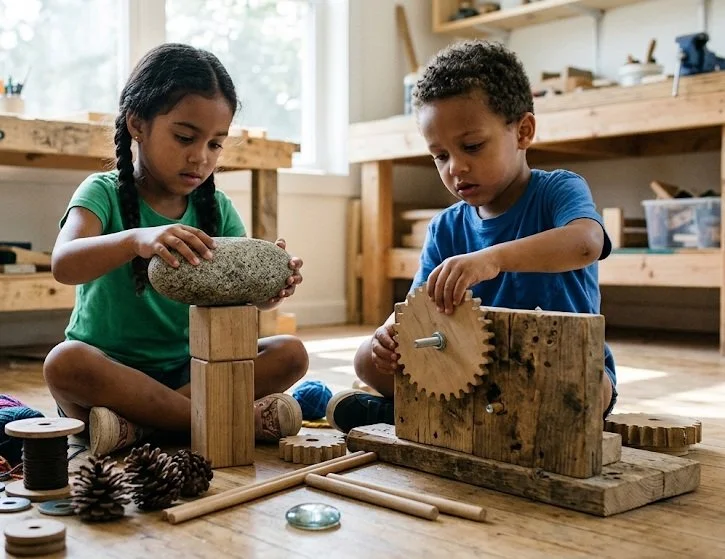
Tactile Feedback vs. Glass Screens: What Really Happens in the Developing Brain?
A digital boulder and a digital feather exert the exact same zero-gram resistance on a fingertip.
While active, intentional screen time has its place, cold glass simply cannot replicate the neurological power of physical space. When kids manipulate weighted, textured loose parts, their sensory cortex and proprioceptive systems ignite, building the foundational motor and spatial skills that flat screens miss.
#STEAMStation #LoosePartsPlay #EarlyChildhood #SensoryPlay #EdTech #ChildDevelopment #EmbodiedCognition
Finding Your Third Place in Knightdale
Home is place #1, work/school is place #2… but where is your #3? Growing up around Raleigh, my brother lived at a coffee shop called, The Third Place. It took years to realize the magic of having a neighborhood spot to just be, and that’s exactly what we’re building for families in Knightdale with STEAM Station.
The Evolution of the Indoor Playground
Did you know? As of 2020, there were roughly 15,000 indoor play spaces across North America. When designing STEAM Station, we chose a completely different path. Read our latest blog post to see how modern play centers are evolving to engage both the brain and the body.

Designing STEAM Station for Independence and Safety
Taking kids to an indoor play space shouldn't feel like navigating a blind maze. At STEAM Station, open-concept design takes center stage. Check out the blog to see how intentional layout design changes the family play experience.

Teamwork in Tech
On a traditional sports field, younger kids often get left watching from the sidelines while one or two players control the ball. See how interactive movement tech flips that dynamic with smart ball walls and responsive floor games.

Back-to-School Movement
After months of summer freedom, sitting at a desk all day is a massive adjustment for kids. Between local parks, fall sports, and favorite indoor spots , there are great ways to keep kids active this fall while we count down to the opening of STEAM Station in early 2027.

What is a Play & Movement Center?
No climbing frames or trampolines here! Discover what a Play & Movement Center actually is and take a sneak peek at the interactive games, laser maze, craft corner, and physics tracks waiting for you at STEAM Station.

Why We Chose a Shoes-On Play Experience at STEAM Station
Tired of hunting down matching socks before heading out the door? At STEAM Station, we chose a shoes-on play experience to make your visit easy, safe, and hassle-free. Read our latest blog post to see why we broke the traditional indoor play rule and kept our sneakers on.

3 Benefits of Karaoke + Inspo Lists
Think karaoke is just loud fun? From stealth literacy lessons to massive confidence boosts, stepping up to the microphone does wonders for a child's growing brain. Dive into the surprising developmental benefits of karaoke and check out the top 10 tracklists for kids, teens, and parents!

Big News: How to Become a Founding Family of STEAM Station!
Big news, Knightdale and Eastern Wake Co. families! As we head toward our January 2027 opening, we are preparing to launch an exclusive opportunity this fall: the STEAM Station Founding Family Membership. Available only during our upcoming GoFundMe campaign, this limited annual tier offers unmatched savings, everyday member perks, and exclusive VIP rewards. Discover what it means to be a Founding Family and learn how you can get your name on the priority list before they sell out!

Beyond the Traditional Playground
STEAM Station isn't a traditional indoor playground, and that’s completely intentional. We traded chaotic, multi-story climbing structures for active tech, open sightlines, capped session capacities, and a space built for cleanliness.
Read our latest blog post to see how we’re redefining indoor play for high-energy kids (and giving parents their peace of mind back!).

Educational Shows & Channels for After-Camp Downtime
Finding a way to bridge the gap between summer camp letting out at 3:00 PM and the end of the traditional workday is a puzzle many parents face. If your kids just want to veg out after a busy day of activities, you can make that screen time count. We have rounded up a list of top-tier, brain-boosting educational TV shows and YouTube channels that offer the perfect blend of relaxation and learning to help your family navigate the late afternoon slump.

What Makes Every Kid a Little Engineer
When my six-year-old son confidently declared tonight that he is a "little engineer," it sparked a reminder of why we are building STEAM Station. Kids don't need to wait for a college degree to start innovating; they are already natural-born problem solvers, tinkerers, and creators who use play and movement to understand the physics of their world. See how we can fuel that natural curiosity and why our upcoming center is designed to give these big imaginations the space they need to build, move, and create without limits.

8 Creative and Fun Ways to Keep Kids Learning This Summer
Looking for creative, low-prep ways to keep your little ones busy and learning over summer break? Check out this fantastic list of 8 interactive activities! From transforming family game night favorites like Uno and Dominoes into stealth math practice, to burning off outdoor energy with a sidewalk chalk laser grid, these ideas effortlessly blend language, math, and science with pure play. Read the full post on the STEAM Station blog to grab these easy inspiration points and customize them for your child's age or skill level!

A Different Kind of Sensory-Friendly Play Space
Is the dread of sensory overload ruining your play dates? Discover how STEAM Station is redefining active play for sensory-sensitive families with tech-driven, low-stress attractions; no overwhelming crowds, loud music, or traditional playground chaos required.

The Photobiology of Mood: Yellow vs. Blue
Ever feel like a random morning choice dictates your child’s entire day? Bracing for a meltdown on "yellow cup days" isn't a parenting superstition—it is hard science. Children's developing nervous systems are highly sensitive to color wavelengths. Read the post to learn how to use visual ergonomics to support your child's emotional regulation