

The Evolution of the Indoor Playground
For decades, the standard recipe for children's indoor entertainment has looked almost identical everywhere you go. Ever since the first indoor playgrounds emerged in the early 1980s, the industry exploded into a sea of primary-colored vinyl, padded climbing decks, and ball pits. According to data from the International Association of Amusement Parks and Attractions (IAAPA), by 2020 there were approximately 15,000 indoor playgrounds across North America alone.
While these multi-level mazes filled a need for weather-proof activity, family lifestyles and children’s developmental needs have changed dramatically. The traditional indoor jungle gym hasn’t evolved with them.
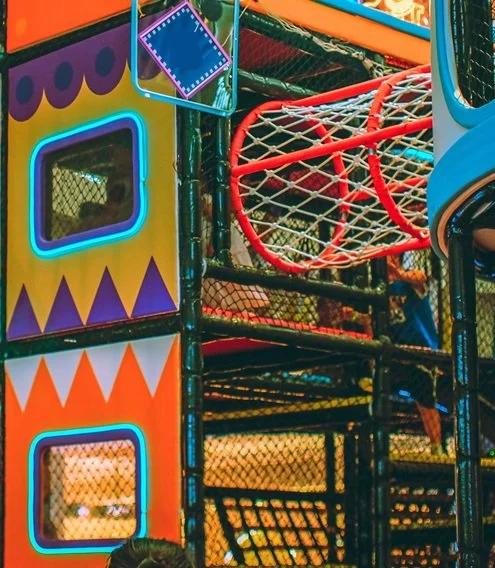
Why We Moved Away from the Traditional Model
When we first began mapping out our concept for STEAM Station, a multi-level climbing structure was one of the early possibilities on the table. But the more we evaluated the reality of running that type of space, the more glaring the drawbacks became:
Sanitation Challenges: Massive plastic tunnels, enclosed tubes, and deep ball pits are notoriously difficult to thoroughly sanitize on a daily basis.
Sensory Overload & Chaos: Towering metal and vinyl structures act as acoustic amplifiers. The echoing screams, sudden collisions, bright lights, and lack of visual boundaries often turn visits into high-stress events for kids and caregivers alike.
Obstructed Sightlines: Multi-tier climbing mazes create instant blind spots. Instead of enjoying a relaxed outing, parents and teachers spend the entire time hovering around corners and craning their necks to make sure kids are safe.
We quickly realized that simply adding another conventional playground to the 15,000 existing ones wasn't our goal. We wanted to build something genuinely distinct for our local community; a modern, low-key play center where kids stay active and engaged without feeling overwhelmed the moment they walk through the door.
A Multi-Faceted, STEAM-Driven Approach to Movement
Instead of funneling every child into a single climbing cage, STEAM Station is built as an open, single-floor environment featuring diverse stations and attractions. Children have the autonomy to gravitate naturally toward the type of engagement that excites them most:
Active Exergaming Stations: High-energy movement that blends physical exercise with cognitive strategy through a responsive smart ball wall and interactive projection floor.
Hands-On Craft & Maker Areas: A dedicated space for tinkerers, builders, artists, and creative thinkers to slow down, explore tactile materials, and make something with their hands.
Private Karaoke Studio: A welcoming, enclosed space with a large observation window where kids can step up to the microphone, build performance confidence, and unleash their inner vocal artist.
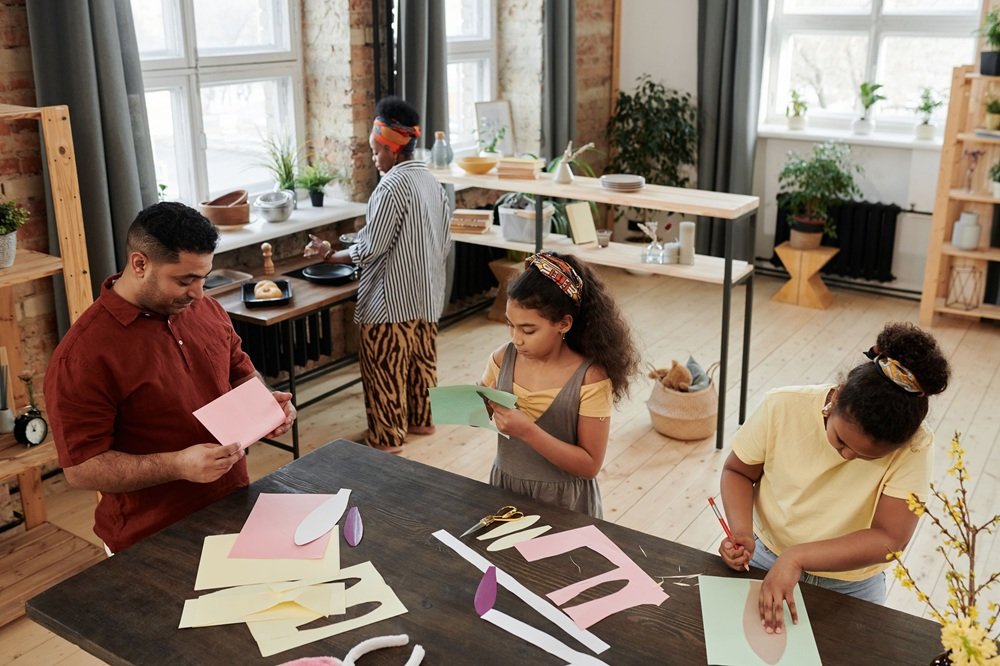
Creating a Space Parents Actually Want to Visit
Indoor family entertainment shouldn’t feel like an endurance test for adults. By pairing clear visual sightlines with varied activity stations, we’re creating an environment where kids burn off plenty of energy, explore their creativity, and build real collaboration skills, all while parents relax in a clean, thoughtfully designed space.
The future of indoor play isn’t about building higher climbing tubes; it’s about creating richer, more intentional experiences that speak to the whole child.
