
Why the “A” in STEAM Changes Everything
We’ve all heard of STEM: Science, Technology, Engineering, and Math. It’s the powerhouse of modern education. But at STEAM Station, we believe that without the "A" (Arts), you’re missing the heartbeat of innovation.
Adding art to the technical mix isn't just about making things look pretty; it’s about making complex concepts approachable. It transforms rigid data into a story and turns a daunting "how does this work?" into an inspired "what can I create?"
Redefining the “A”
There is a common misconception that art only refers to a paintbrush and a canvas. According to k12.com, the "A" in STEAM is actually a wide umbrella that encompasses:
Language Arts
Drama
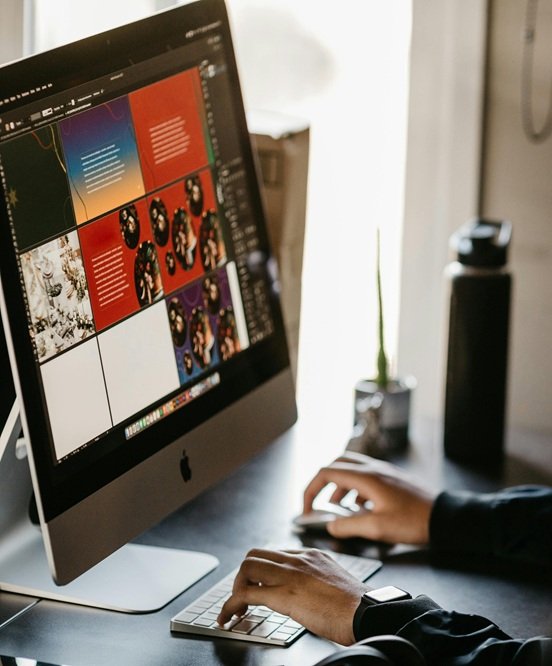
Graphic Design
Visual Arts
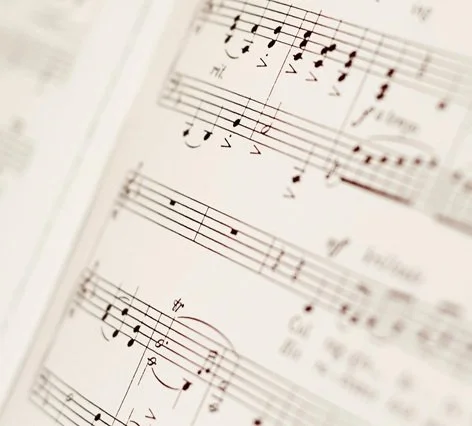
Music
New Media
By broadening this definition, we open the door for all types of learners. Whether you have a logical thinker who loves music or a storyteller who enjoys graphic design, there is a place for you in the world of art-based technology.
Building Confidence Beyond the Books
While science and math tell us how things work, the arts give us the confidence to ask why and the courage to fail.
When a child performs in our karaoke room or experiments with a new craft project, they are practicing risk-taking and self-expression. These soft skills are what turn a smart student into a great leader.
Where the Digital World Meets Your Imagination
Our facility is designed to prove that technology is the ultimate canvas with these unique attractions:
The Interactive Art Wall: This is where your physical creations come to life. Color a picture, slide it into our scanner, and watch as your unique design is instantly projected into a bustling digital world. It’s a literal bridge between the tangible and the virtual.
Digital Painting: Feeling more hands-on? Use your hands or our giant inflatable crayons to color across the digital display. It’s a full-body sensory experience that turns digital code into fluid, colorful expression.
Self-Guided Creativity & Musical Expression
STEAM doesn't always have to be high-tech to be effective. We regularly transform our party rooms into creative stations. When they aren’t hosting birthdays, these rooms become spaces for complimentary, self-guided STEAM crafts:
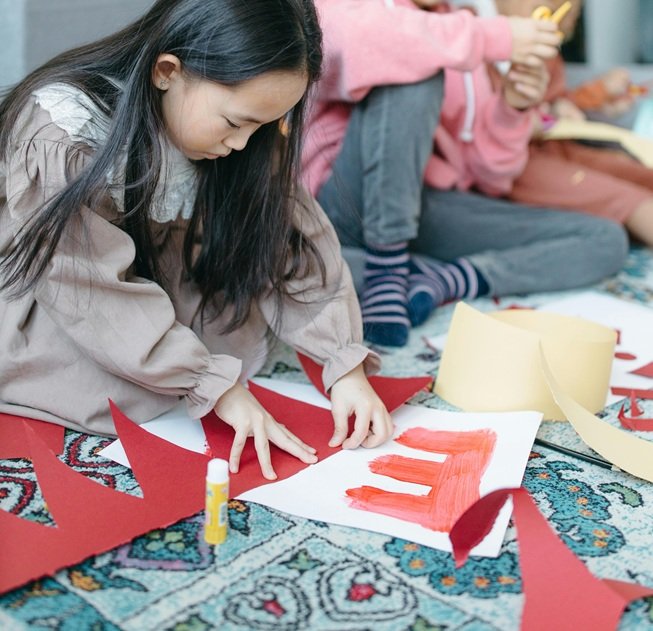
Tactile Arts: From scratch art and traditional painting to simple coloring.
Tech-Doodling: Experimenting with light and color on our LED tablets.
Performance Art: Remember, music is STEAM! Step into our karaoke room for some musical expression, or jump into our various dance and music-based games to see how rhythm and technology collide.
Turning Fun into Real World Skills
At STEAM Station, we’re masters of stealth learning. It feels like pure play, but there’s a secret science happening behind every activity:
Music is math in disguise: When kids sing or dance to a beat, they are actually practicing fractions and patterns? Rhythm is simply the division of time into equal parts; it’s the most "musical" way to learn basic algebra!
Karaoke is a secret weapon for reading: Following lyrics on a screen helps kids improve their reading speed, enunciation, and vocabulary without it feeling like a lesson.
Confidence as a skill: Stepping up to the mic builds resilience. It teaches kids to take a creative risk, handle a stage-like environment, and find their voice, literally and figuratively.
Coding with colors: When our scanner reads a drawing and puts it on the wall, it's translating colors into digital code. It's a first-hand look at how physical inputs (markers) become digital outputs (pixels).
Large-scale motor skills: Using giant inflatable crayons to "paint" the wall isn't just fun; it's gross motor play. It builds shoulder strength and coordination, which are foundational for the fine motor skills needed for writing and typing.
Scratch art & chemistry: Scratch art is a lesson in layers! It teaches kids about material properties; how a top layer of ink can be removed to reveal a hidden base, much like how geologists or archaeologists peel back layers of the earth.
LED tablets & light theory: Doodling on LED tablets introduces kids to color theory and light. They see how backlighting changes the vibrancy of a color, which is the same principle used by professional graphic designers and filmmakers.
Focus & emotional regulation: As a parent, I know that play is often the best form of work. For our friends with ADHD or sensory needs, self-guided art provides a reset. According to chadd.org, “art can have therapeutic effects for children, teens, and adults who have ADHD.”
Why It Matters
By integrating the arts, we take the intimidation factor out of tech. We aren’t just creating a space to play; we’re building a launchpad for creative problem solvers. When a child sees their hand-colored animal run across our digital screen, they aren't just looking at a projection, they are witnessing the magic that happens when art and computer science collide.
What’s Your “A”?
Is your child a storyteller? A digital doodler? A future rockstar? We’d love to hear how your family brings the arts into your daily lives. Tag us on Facebook or Instagram and let us know!
Come visit us at STEAM Station and see how the "A" makes all the difference.
