
What STEAM Learning Really Looks Like
When you hear the phrase “STEAM learning,” you might recognize it as science, technology, engineering, art, and math, but the real question is how those ideas show up in a child’s day.
STEAM learning is an active, creative way for kids to learn by doing; through hands-on exploration, curiosity, and play.
STEAM Learning Is Hands-On
It’s been proven that kids learn best when they’re actively engaged. Their brains grow through movement, sensory input, and experimentation:
Building and creating
Moving their bodies
Testing ideas
Making mistakes and trying again
At STEAM Station, learning happens naturally through play.
At our magnetic tile station, for example, kids explore geometry, balance, symmetry, and problem-solving as they build towers and structures, both on a magnetic surface and in three-dimensional space. Designs change, towers fall, and kids adjust and try again.
At the train table, kids explore early engineering and physics concepts while strengthening fine motor skills, spatial awareness, and collaborative play.
No instructions required. The learning unfolds through curiosity and discovery.
STEAM Is Creative (Yes, Even the “Science” Parts)
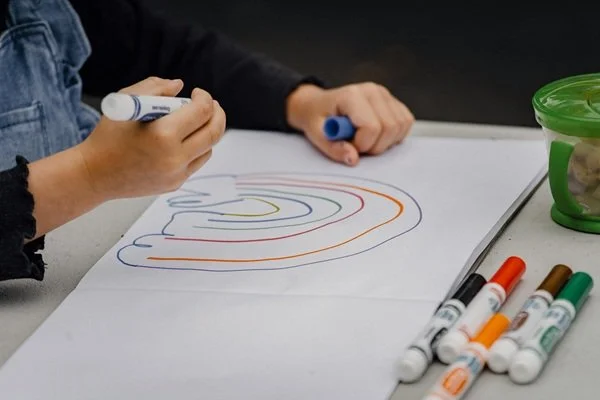
STEAM includes Art for a reason. Creativity isn’t an add-on; it’s essential.
Our interactive art wall invites kids to:
Color on paper and scan their creations into a projected digital world
“Paint” using inflatable crayons or their hands
Watch their artwork respond to movement and motion
These experiences support:
Creativity and imagination
Cause-and-effect understanding
Comfort with technology
Confidence in self-expression
There’s no single outcome or “right” answer, and that freedom is what makes the learning powerful.
Movement Is Learning, Too
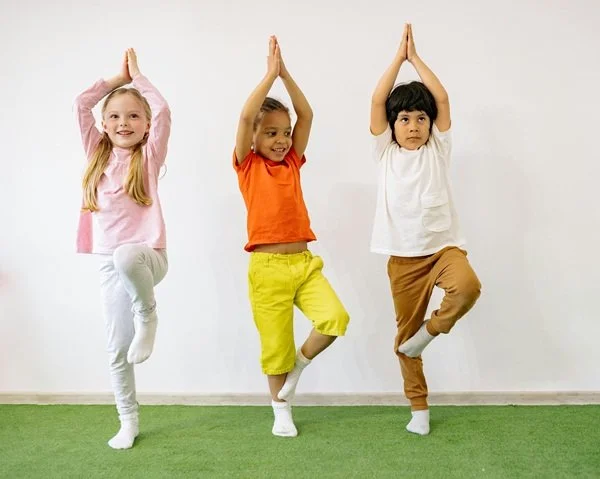
Some kids learn best when they’re moving, and many kids need movement to focus, regulate, and engage.
That’s why physical play is built directly into our STEAM experiences.
Immersive floor games let kids run races, work as a team, practice yoga, play sports-style games, and take on educational challenges using their whole bodies.
Our ball-throwing target wall blends physical play with thinking skills as kids throw soft dodgeballs to answer questions, complete challenges, or play interactive games.
Through movement-based play, kids practice:
Coordination and balance
Reaction time and decision-making
Teamwork and perseverance
For parents, it often means kids leave happily tired, in the best way.
STEAM Learning Encourages Problem-Solving (Without Pressure)
When kids are given space to explore freely, problem-solving becomes exciting instead of intimidating.
At STEAM Station, kids build these skills through experiences like:
A child-friendly laser maze, where they plan movements, test strategies, and adjust when they hit a beam
Foosball and air hockey, which build hand-eye coordination, strategy, and sportsmanship
Nex Playground bays, where kids use their bodies as the controller, reacting, timing movements, and thinking critically in real time
These moments help kids develop resilience, flexibility, and confidence; skills that matter far beyond playtime.
STEAM Is Also Social
Learning doesn’t happen in isolation. Many of our attractions naturally encourage kids to:
Take turns
Collaborate
Share ideas
Work together
Whether kids are singing in the karaoke room, launching scarves from the scarf cannon wall, or playing floor games in groups, they’re developing social and emotional skills alongside cognitive ones.
That’s real-world learning.
What About Structured Activities?
In addition to open-ended play, we also offer periodic complimentary STEAM-inspired crafts and activities to do while you’re at STEAM Station.
These may focus on:
Color and shape recognition
Fine motor development
Creativity and imagination
Construction and design
Critical thinking and problem-solving
Activities are designed to be:
Age-appropriate
Low-pressure
Optional
Fun first
Because when kids are engaged and enjoying themselves, learning sticks.
The Big Picture: Learning Through Play
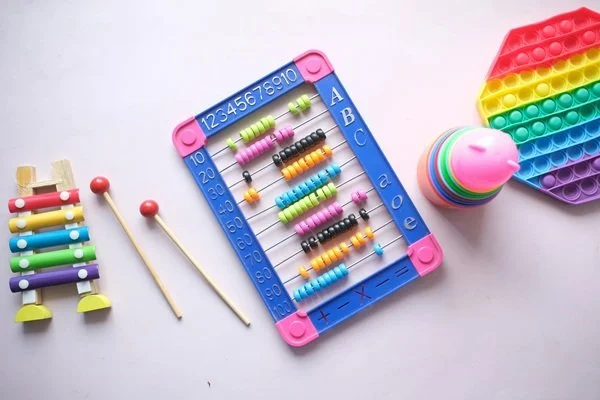
STEAM Station isn’t meant to replace school. It’s designed to support the way kids naturally learn best.
When kids:
Move their bodies
Ask questions
Try, fail, and try again
Create something new
Play alongside others
They’re doing deep, meaningful learning, even if it just looks like fun.
And honestly? That’s exactly how it should be.
Looking for something fun to do in the Knightdale area? Join our email list to follow STEAM Station’s progress, get sneak peeks, and be the first to hear about founding member opportunities.
