
How Active Play Supports Social Skills, Confidence, and Emotional Growth
Play isn’t just how kids pass the time, it’s how they learn to navigate the world.
When kids move, play, and interact with others, they practice essential life skills in real time: taking turns, solving problems, managing emotions, and building confidence. Active play gives kids a low-pressure way to try, fail, adapt, and try again—all while having fun.
Here’s how active play supports social and emotional growth in meaningful, lasting ways.
Turn-Taking Without the Lecture
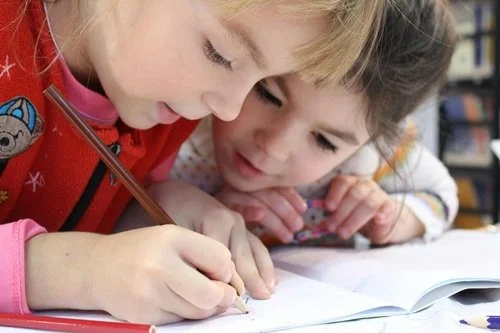
Anyone who’s ever said “It’s their turn!” knows that turn-taking is easier to explain than to do. Active play gives kids repeated, natural opportunities to practice waiting, sharing space, and switching roles.
Whether they’re taking turns in a game, waiting for a chance to jump in, or watching a friend complete a challenge, kids learn patience and fairness through experience, not reminders.
Teamwork That Feels Like Play
Active play often invites kids to work together toward a shared goal: building something, completing a challenge, or figuring out how a game works.
These moments encourage:
Communication (“Let’s try it this way”)
Cooperation (“You go first, then me”)
Perspective-taking (“What if we do it together?”)
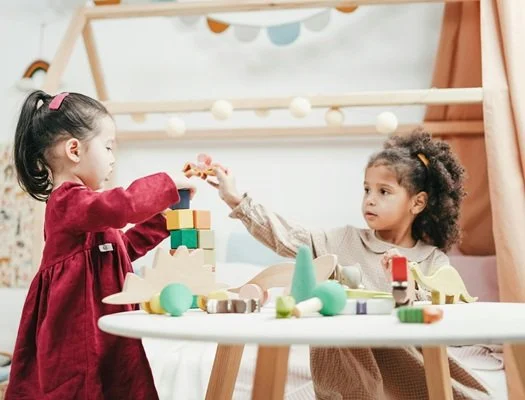
Kids learn that collaboration can be fun, and that everyone brings something valuable to the group.
Problem-Solving in Motion
When kids are physically engaged, problem-solving becomes hands-on and immediate. They adjust their approach, try new strategies, and learn from what doesn’t work.
Active play encourages flexible thinking:
“How else can I do this?”
“What happens if I try again?”
“Who can help me?”
These are powerful skills that carry over into school, friendships, and everyday life.
Building Confidence Through Small Wins
Mastering a new movement, completing a challenge, or contributing to a group effort gives kids a sense of accomplishment. These small wins add up helping kids trust themselves and feel capable.
Active play allows kids to move at their own pace, celebrate progress, and experience success in ways that aren’t tied to grades or performance.
Supporting Emotional Regulation Through Movement
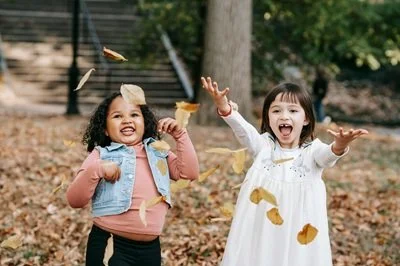
Movement helps kids process big feelings. Active play gives them an outlet to release energy, reset, and practice calming themselves after excitement or frustration.
Through play, kids learn:
How their bodies feel when emotions run high
How to pause, breathe, and try again
That it’s okay to feel frustrated, and to keep going
These moments help build self-regulation skills that support emotional resilience over time.
Inclusive Play, Built for Different Strengths
Every child plays differently, and that’s a good thing.
Active play environments work best when they offer flexibility: multiple ways to engage, space to observe before joining in, and opportunities for both independent and group play. This supports children of all abilities, learning styles, and sensory needs.
When play is inclusive, kids learn empathy, respect, and cooperation, skills that benefit everyone.
How STEAM Station Supports Social & Emotional Growth Through Play
At STEAM Station, we intentionally design experiences that encourage movement, collaboration, and connection. Our space allows kids to explore at their own comfort level while engaging with others in ways that feel natural and fun.
Through active, hands-on play, kids practice social skills, build confidence, and develop emotional awareness, without pressure or perfection.
Because sometimes the most meaningful learning happens when kids are simply allowed to play.
Want to be part of building a space where kids grow through movement, play, and connection? Join our Founding Members email list for early updates, behind-the-scenes peeks, and first access when STEAM Station opens.
