

The Universal Language of Play
There is a specific kind of magic that happens on a playground when two children who don’t speak the same language or navigate the world in the same way find a rhythm together. In those moments, the barriers of linguistics and physical ability seem to melt away.
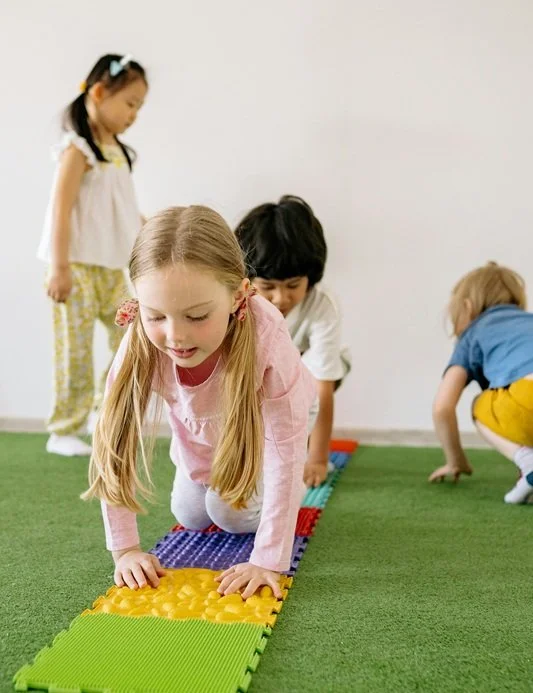
Traditionally, play has relied heavily on verbal communication or specific physical milestones. However, we are entering a new era where interactive technology acts as a bridge, ensuring that every child, regardless of their starting point, has an equal seat at the table (or a spot on the digital playground).
Why Interactive Play is the Great Equalizer
When we strip away the need for complex verbal instructions or specific motor patterns, we tap into something joyful. Interactive technology facilitates this by shifting the focus from how a child plays to the experience of playing.
Non-Verbal Connection: Gesture-based games and visual interfaces allow children to collaborate on tasks without needing a shared spoken language. A smile after hitting a digital target is a universal "we did it!"
Sensory Inclusion: For children with sensory processing sensitivities, technology allows us to dial the environment. We can create soft, calming light interactions or high-contrast visuals that cater to various visual needs, making the space welcoming for everyone.
Building Social Bridges
The most beautiful byproduct of inclusive technology isn't the tech itself; it's the social confidence it builds. When a child with a disability can participate fully in a group game, they aren't the kid being helped; they are a teammate.
This sense of belonging is vital for developmental health. It fosters empathy in neurotypical children and builds resilience and self-esteem in children with diverse needs. By removing the barrier to entry, we allow kids to focus on what they do best: making friends.
Insights from the Experts
Understanding the "why" behind play is just as important as the "how." Occupational therapists and psychologists have long advocated for inclusive environments as a cornerstone of childhood development.
"Play is often talked about as if it were a relief from serious learning. But for children, play is serious learning. Play is really the work of childhood." — Fred Rogers
For those looking to dive deeper into how play impacts a child's sensory and social development, the Child Mind Institute offers incredible resources on supporting children with diverse learning and behavioral needs.

The Future is Collaborative
As we continue to integrate smart sensors, augmented reality, and adaptive interfaces into our community spaces, we aren't just upgrading toys. We are crafting a world where no child has to sit on the sidelines.
Interactive technology reminds us that while our abilities and languages may differ, the joy of a shared win is a language we all speak fluently.
